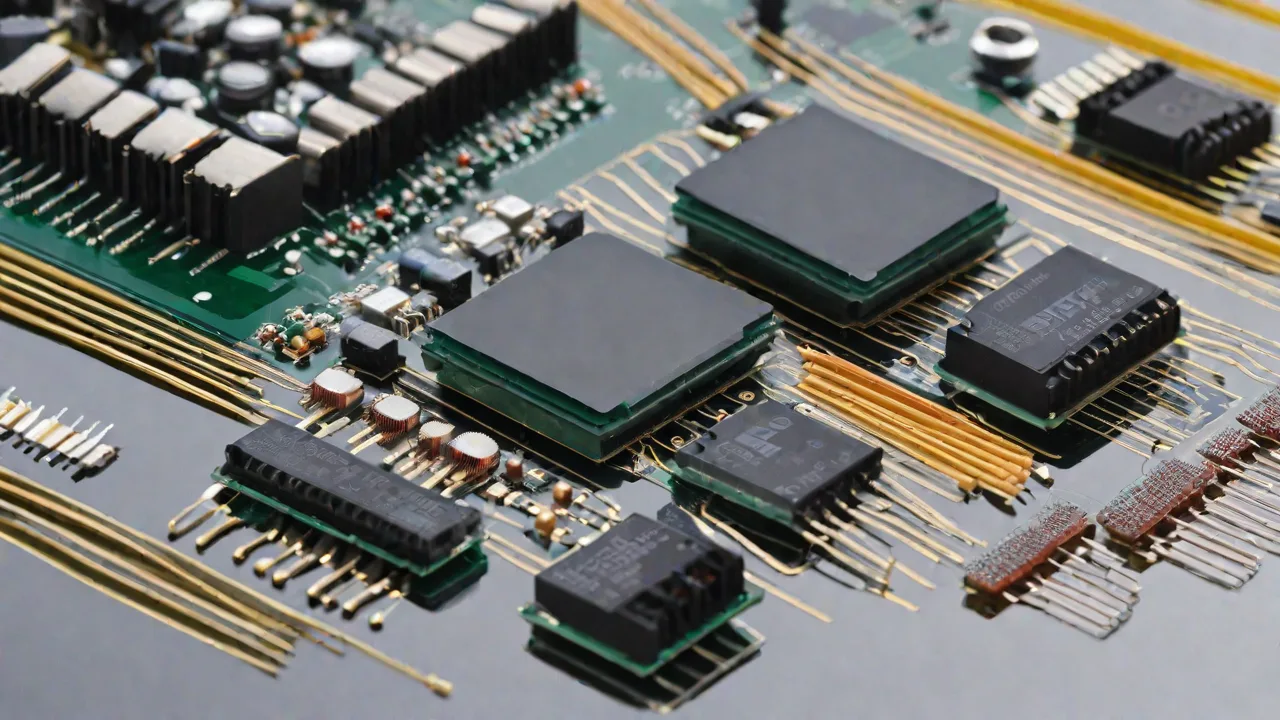
Understanding the Quattro System’s Electronic Components and Sensors
The Quattro system is a sophisticated automotive technology that enhances vehicle performance and safety. Central to its operation are various electronic components and sensors that work together seamlessly. Understanding these parts can help students and teachers appreciate how modern vehicles function behind the scenes.
Key Electronic Components in the Quattro System
The Quattro system relies on several essential electronic components, including:
- Electronic Control Unit (ECU): The brain of the system that processes data from sensors and controls other components.
- Actuators: Devices that execute commands from the ECU, such as adjusting torque distribution.
- Power Supply Modules: Provide reliable electrical power to all electronic parts.
Sensors in the Quattro System
Sensors are vital for real-time data collection, enabling the system to adapt to driving conditions. Key sensors include:
- Wheel Speed Sensors: Measure the rotational speed of each wheel to detect slipping or skidding.
- Yaw Sensors: Detect the vehicle's rotation around its vertical axis, helping maintain stability.
- Accelerometers: Measure acceleration forces to assess vehicle dynamics.
- Steering Angle Sensors: Detect the driver’s steering input to assist in torque distribution.
How Components and Sensors Work Together
The electronic components and sensors in the Quattro system collaborate to improve handling and safety. For example, if a wheel speed sensor detects slipping, the ECU processes this data and activates actuators to adjust torque distribution. Simultaneously, sensors like yaw sensors help maintain vehicle stability during sharp turns or sudden maneuvers.
Importance of Electronic Components and Sensors
Understanding these electronic parts is crucial for diagnosing issues and maintaining vehicle safety. As automotive technology advances, the integration of sensors and electronic control units will continue to improve vehicle performance and driver assistance systems, making driving safer and more efficient.